

A day in the life with UM identity
A five-minute film: one weekend of a festival-goer across a border, a festival and two virtual worlds, where every moment is an identity moment.
A five-minute film: one weekend of a festival-goer across a border, a festival and two virtual worlds, where every moment is an identity moment.

The core idea: one portable signed envelope for identity, credentials, preferences, and permissions.
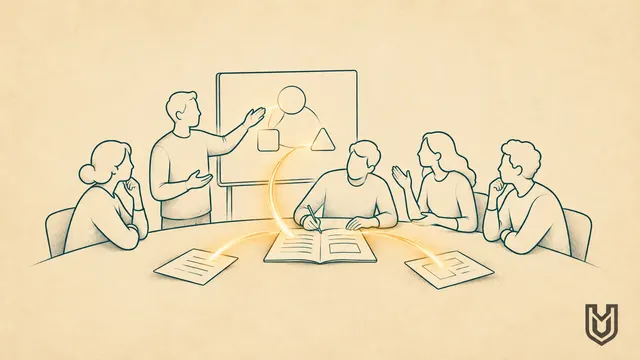
Working-group presentations are sharpening Universal Manifest's use cases and requirements. Bring a use case from your work to help shape what comes next.
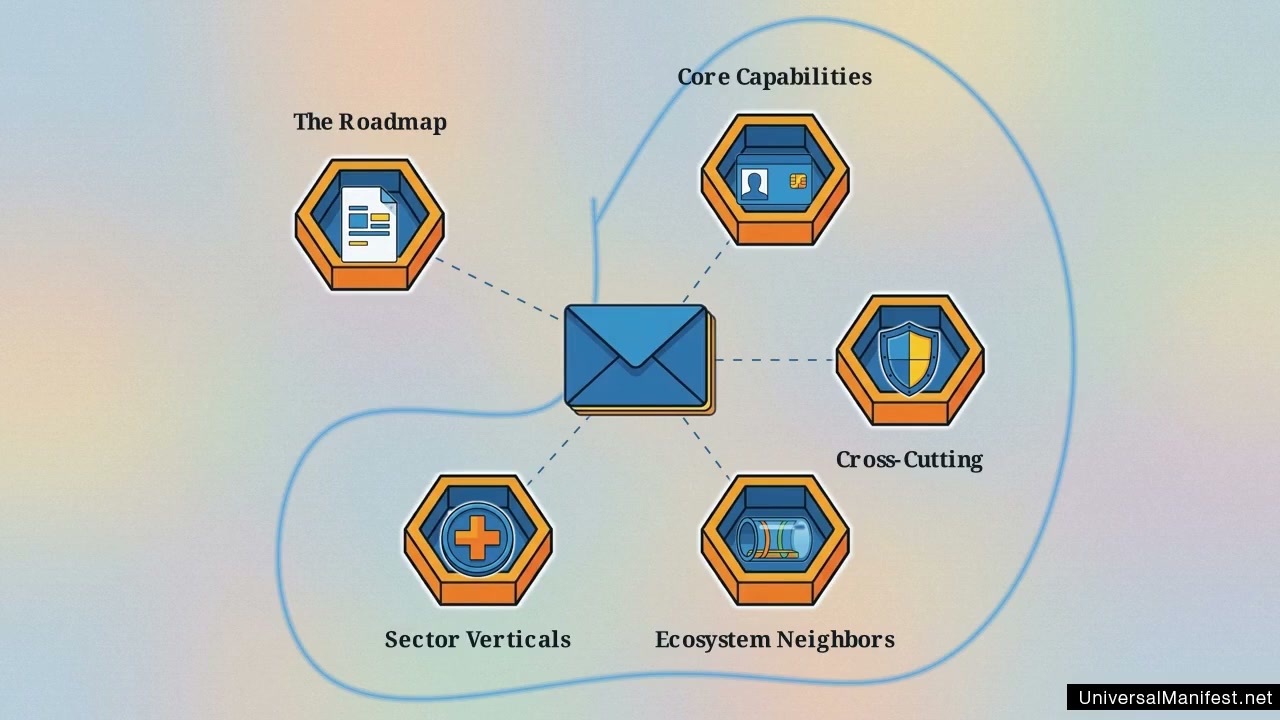
A map of Universal Manifest's five regions, from today's ready capabilities to what comes next.
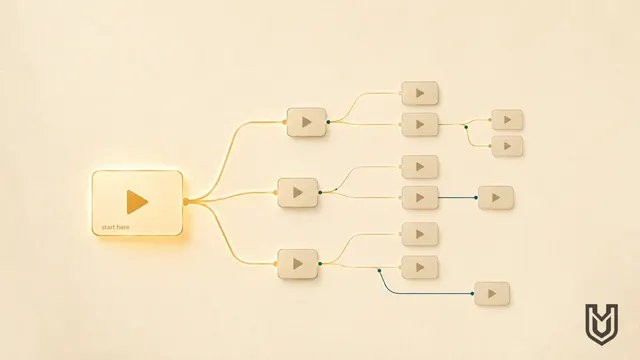
A video library for Universal Manifest is live. The overview explains the whole idea in about five minutes, then the library branches by interest, so you go only as deep as your work needs. Eighteen explainers, about two hours, and you only ever watch your own path through it.

How Universal Manifest carries private signed provenance for 3D assets across formats.

Spatial computing layers many provider-run environments over the same physical world. Universal Manifest is the portable identity and consent envelope that persists across all of them, so you carry one self through overlapping fabrics instead of cold-starting each one.
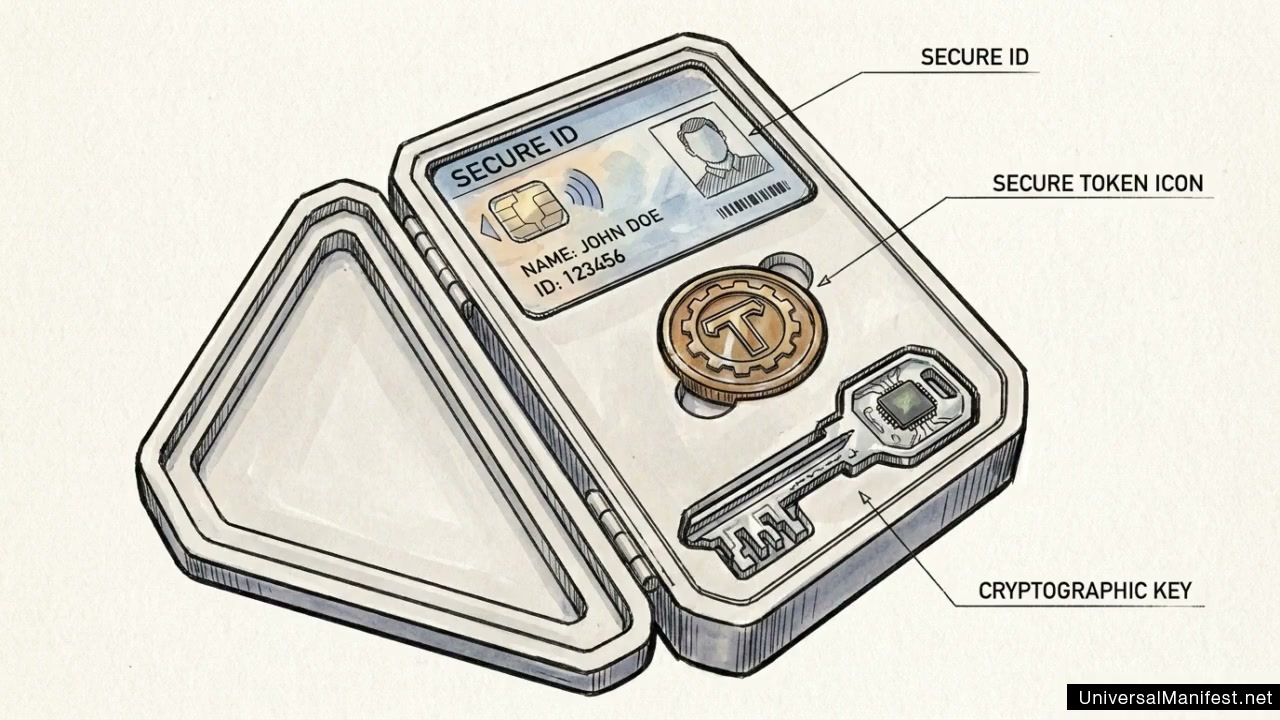
How C2PA file provenance pairs with identity and consent.
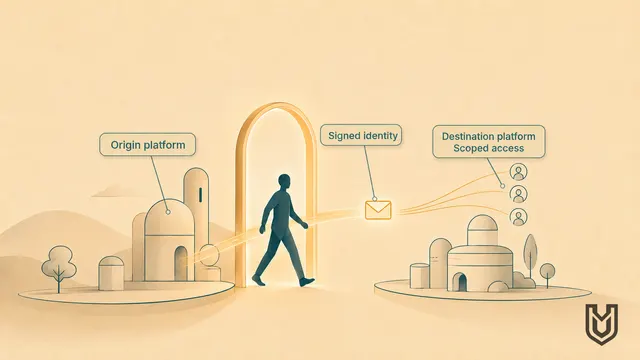
Portaling means crossing from one platform or world into another with your identity, permissions, and context intact. Here is what happens at the boundary, and why each receiver gets only the version of you it needs.
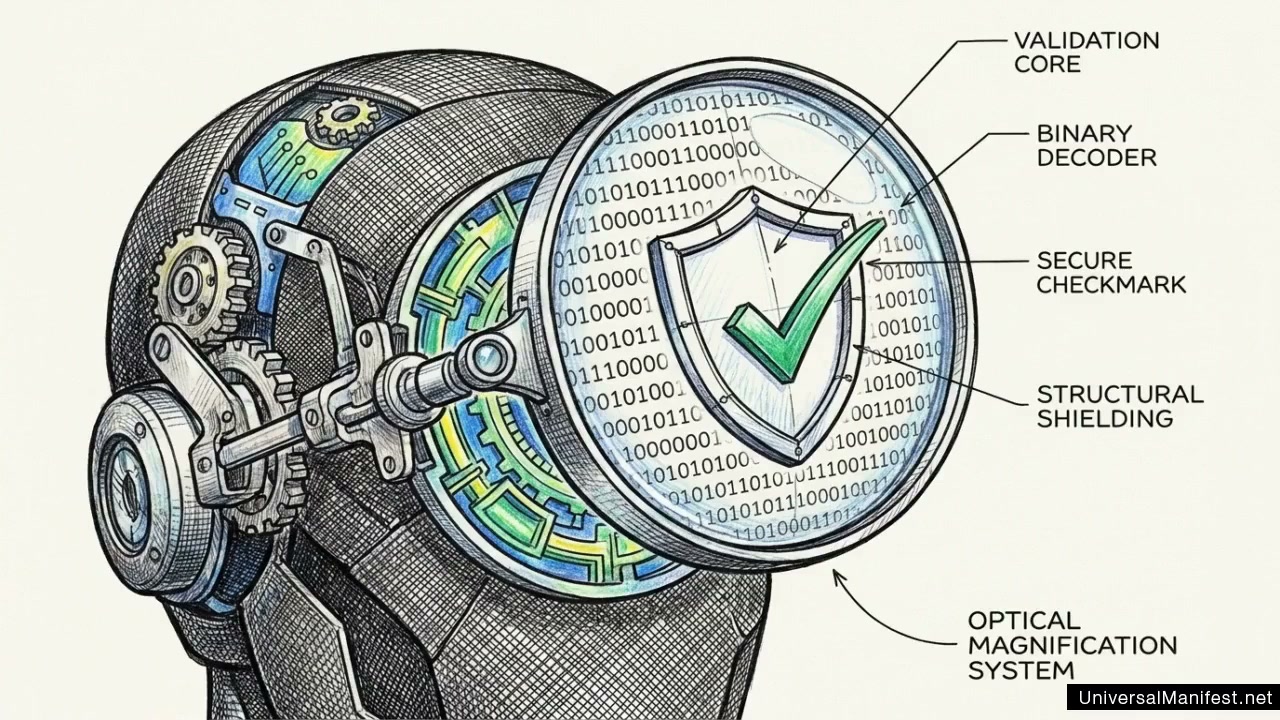
How manifests distinguish humans, AI systems, organizations, and services.
What this is
Universal Manifest is a small signed package of context for fast handshakes between things that meet: people, agents, devices, vehicles, drones, assets, facilities, and public infrastructure.
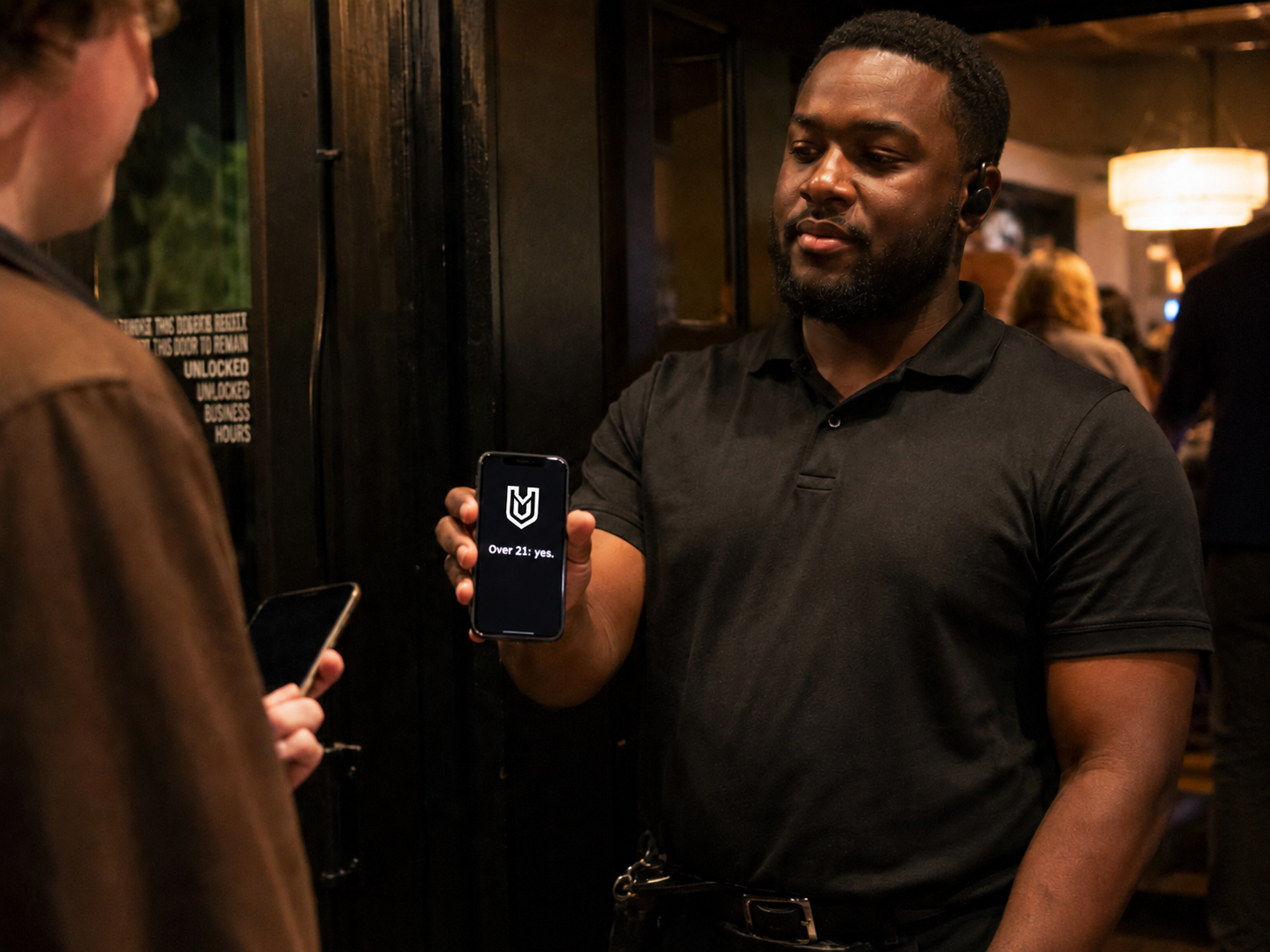
An airport checkpoint, an autonomous-vehicle intersection, a drone corridor, an AR factory floor, and a hotel door all need the same basic move. Exchange the smallest trustworthy context needed. Verify it. Apply policy. Record what happened.
The manifest is packet-size-aware. It carries claims, proofs, pointers, permissions, terms, freshness, and receipt data instead of dragging every file, record, model, or sensor stream into the handshake. Heavy files stay where they belong. Private data can stay sealed. The receiving system gets enough context to decide, and nothing extra just because the format made it easy to leak.
Universal Manifest is built for changing systems. Today the exchange might happen between a phone and a door, a robot and a facility, a drone and a work zone, an AI agent and a service, or a 3D asset and a spatial scene. Tomorrow it may happen across file formats, devices, networks, and transport layers that do not exist yet. The point is the same: a compact, verifiable context envelope that can travel with the subject and be evaluated by the receiver.
Every exchange leaves a structured receipt. What was verified, accepted, refused, expired, sealed, unsupported, or left unread is recorded instead of guessed. That makes UM useful for personal control, agent delegation, spatial computing, industrial operations, and compliance-aware infrastructure without reducing it to any one of those use cases.
What a manifest contains
Each evaluator runs the same bounded evaluation sequence on the manifest it receives. The result is a fast context handshake with an audit trail, not a silent data dump. See how it works.
Choose your path
Universal Manifest is not only identity, consent, portaling, spatial computing, or payments. Those are entry paths into one open specification for bounded context exchange.
Use cases
Personal, hotel, clinic, agent, spatial, asset, and commerce examples are all concrete uses of the same manifest envelope. None of them is the whole definition.




























How it works
When two things meet, each side receives a compact context envelope before it acts. Signatures, freshness, issuer chains, policy terms, pointers, sealed entries, and unsupported claims are evaluated against the receiver's rules. Outcomes can be asymmetric: one side may accept a claim, refuse another, leave a private facet sealed, or record that a future format is unsupported. Every exchange produces a structured receipt, so governed systems can audit what was checked without pretending every packet carried everything.
For builders
Universal Manifest is an open spec, not a platform. It composes with existing standards rather than replacing them. If you already work with verifiable credentials, decentralized identifiers, privacy-preserving encryption, asset formats, spatial systems, or agent protocols, UM carries and references that work inside a portable envelope with a defined evaluation contract.
The spec is the technical reference for implementers. The Standards Registry shows how UM composes with DID, VC, OID4VP, HPKE, mDL, resolver patterns, and conformance fixtures while leaving heavy files and future formats in their native systems.
What comes next